CANBERRA, March 24, 2026 — Australia’s competition regulator is closely monitoring the domestic aviation market as disruptions from the conflict in the Middle East begin to affect global air travel and fuel costs.
The Australian Competition and Consumer Commission said in its latest domestic airline competition report that international aviation disruptions—including airspace closures, flight cancellations and route diversions—could have knock-on effects on Australia’s domestic market.
ACCC Commissioner Anna Brakey said the Middle East plays a central role in global aviation networks, particularly for flights between Australia and Europe, meaning developments in the region could affect airline operations worldwide.
The regulator said airlines and passengers are already facing higher global jet fuel prices, which could eventually translate into higher domestic airfares if elevated fuel costs persist. While many airlines hedge fuel purchases to limit short-term exposure, sustained price increases could raise operating costs.
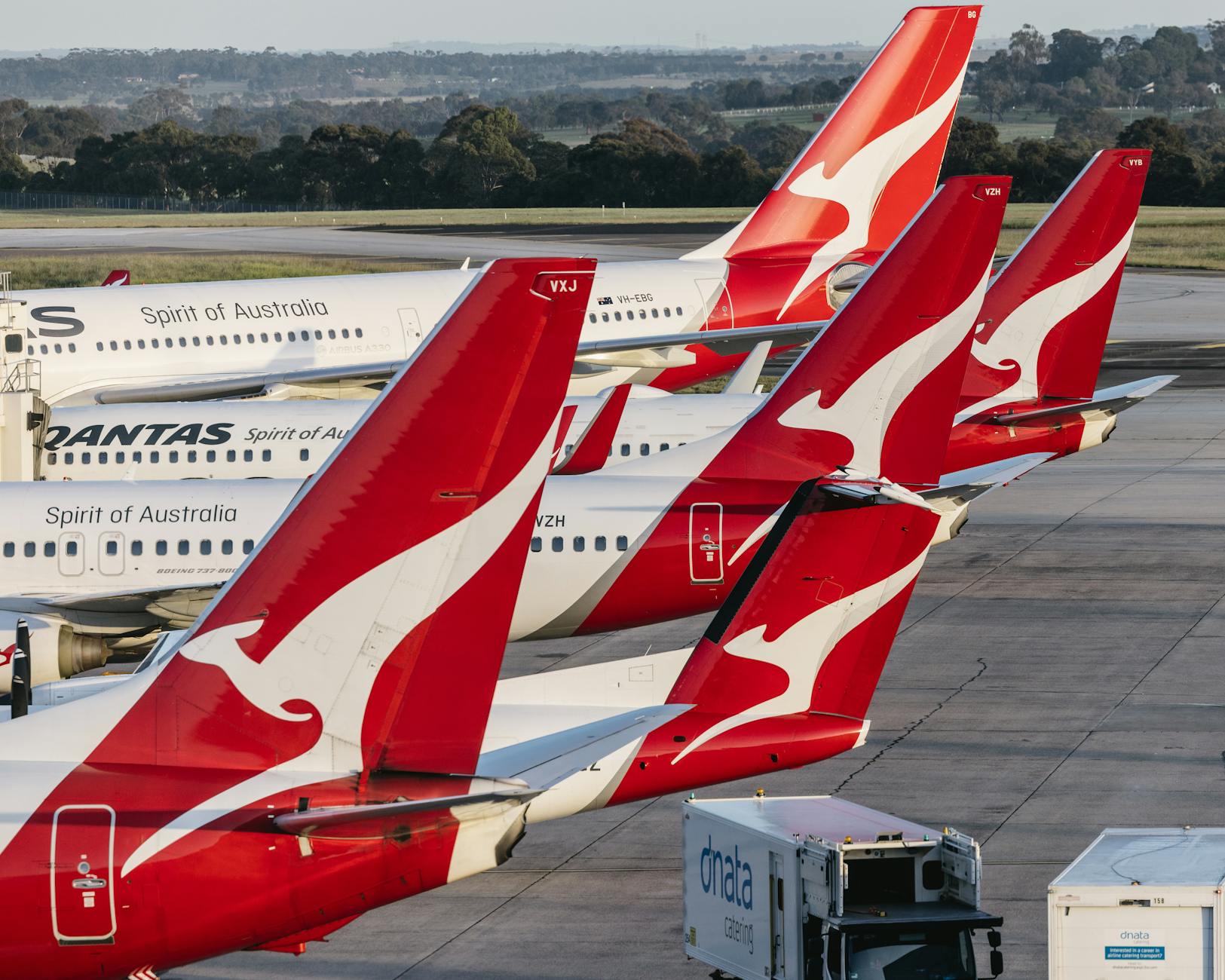
At the same time, the report highlights ongoing competition concerns in Australia’s domestic aviation market. Nearly 99% of all flights are operated by either the Qantas Group or Virgin Australia, reflecting high barriers to entry and limited consumer choice.
Both airlines reported strong financial results in the first half of the 2025–26 financial year. Qantas posted record underlying earnings before interest and taxes of A$1.59 billion, while Virgin Australia reported A$490 million in underlying EBIT across its operations.
Operational performance in the domestic market improved slightly in early 2026, although reliability varied among airlines. Industry on-time arrival rates reached 78.4% in January—still below the long-term average of 80.5%—while cancellation rates averaged 2.1%.
Regional carrier Regional Express Holdings and Virgin Australia recorded the lowest cancellation rates at 0.8% and 0.9% respectively, while Jetstar Airways reported weaker performance, with a 67.7% on-time arrival rate and cancellations of 3.2% of flights.
Airlines have also continued expanding domestic capacity, offering about 2% more seats in January 2026 compared with the previous year, though overall capacity remains below pre-pandemic levels.
The ACCC said it will continue monitoring airline pricing, market behaviour and representations made to consumers, warning that airlines must not make misleading claims about the reasons for fare increases.