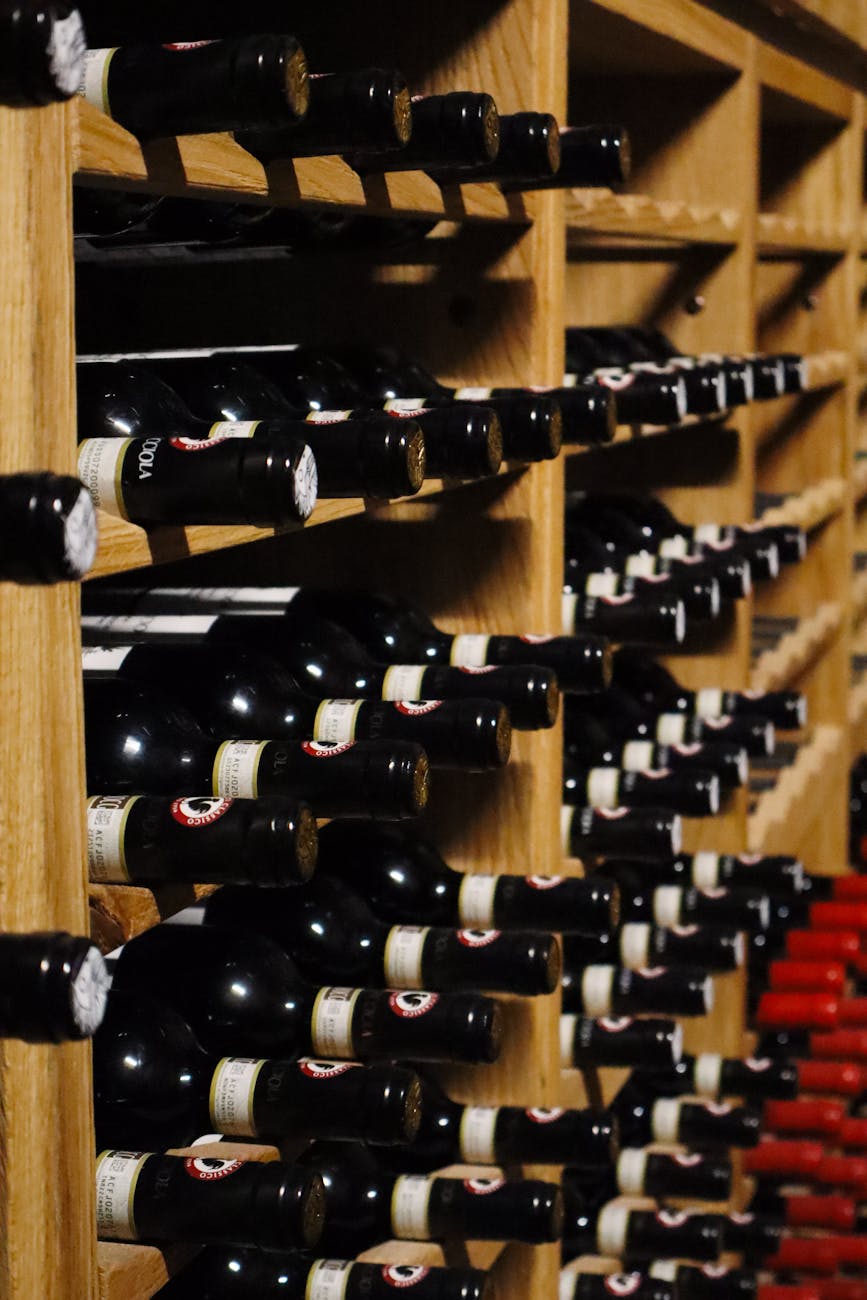
In a landmark move aimed at aligning agriculture with the European Green Deal, the European Commission has issued its first-ever opinion under new competition rules for sustainability agreements in agriculture. The decision gives a green light to a French wine sector agreement that sets indicative prices for sustainably produced wine in the Occitanie region.
The agreement, jointly developed by producers and buyers of organic and Haute Valeur Environnementale (HVE) wines, aims to encourage continued sustainable production by establishing so-called “orientation prices” for bulk transactions. These prices will reflect actual production costs plus a profit margin of up to 20%, helping to counteract the economic pressures currently threatening the viability of sustainable viticulture in the region.
The Commission found the deal compatible with Article 210a of the Common Market Organisation (CMO) Regulation, introduced in 2021 as part of reforms to the Common Agricultural Policy. This provision allows sustainability-focused agreements that might otherwise restrict competition, provided the restrictions are essential to achieving environmental goals that go beyond legal requirements.
The wine sector in Occitanie — France’s largest wine-producing region — is facing mounting challenges, including a glut in supply, shifting consumer preferences, and heightened price sensitivity amid inflation. Many organic and HVE wine producers are struggling to stay afloat and risk reverting to conventional methods or exiting the market entirely.
By approving the agreement, the Commission provides legal certainty for producers who wish to work together to support sustainability in a tough economic climate. The deal will apply for two years, setting orientation prices annually for six grape varieties.
Commission Executive Vice-President Teresa Ribera called the opinion “a first positive step under the new rules,” adding that it offers a model for how the EU can support farmers committed to sustainability even in adverse market conditions.
“This initiative incentivises wine producers in Occitanie to keep producing sustainably, under the two prevalent sustainability labels, which they may not otherwise do,” Ribera said. “We hope that others will follow with their own sustainability initiatives.”
Echoing that sentiment, Commissioner for Agriculture and Food Christophe Hansen said the opinion shows how EU rules can foster both environmental progress and economic resilience.
“Sustainability and economic viability can go hand in hand,” Hansen said. “I encourage producers in other sectors and regions to explore similar collaborative solutions that benefit both farmers and the future of food production in Europe.”
More information will be published on the Commission’s competition and agriculture websites following a review for confidentiality.
Source: https://ec.europa.eu/commission/presscorner/detail/en/ip_25_1832